
By Michelle Trinh
In a world that is constantly changing, consumer habits and priorities are also changing. With the rise of climate change and increased environmental awareness, consumers are opting to reduce their carbon footprint in both their lives and what they are spending their money on. Should companies do their part in saving the planet, or would it come as a loss in their investment? Here is why sustainable packaging could boost your sales, keep your consumers loyal, and help your business.
Consumer Expectations for Sustainability
Consumers today prioritize eco-conscious businesses. In fact, 82% are willing to pay more for sustainable packaging. This number rises to 90% among Gen Z individuals. This demand is encouraging businesses to see sustainability not as a loss, but an opportunity for revenue growth.
3 Key Consumer Trends
Concerned Consumers actively seek ways to reduce their carbon footprint. As 8 in 10 consumers value a sustainable lifestyle, and 6 in 10 report climate change as the top concern. 65% of consumers feel they have a moral obligation to use environmentally friendly products. 32% report boycotting a food product out of concern that the brand did not follow environmentally sustainable practices.
Preference for Eco-Friendly Materials
Over 90% of consumers are concerned about the impact of food packaging on the environment, and over half are concerned with plastic packaging. There is a strong preference for eco-friendly packaging, consumers saying they are willing to purchase packaging labelled “compostable” or “100% recyclable”.
Brand Values and Sustainability
When choosing brands, 50% of consumers prioritize a company’s values. They believe brands should focus more on environmental care. Or consideration. 36% of consumers said they switched food products for sustainability, two-thirds of shoppers say they would likely buy a new sustainable brand if price and quality are the same, and half of consumers say they are buying more sustainable products than five years ago.
So, how do you use this information to fulfil their expectations on sustainability?
- Creating refillable packaging that minimizes mass amounts of single-use packaging.
- Creating packaging that is compostable, recyclable, or made up of recycled and compostable materials.
- Creating packaging that can be reused for the consumer’s needs after the product is used up.
- Builds trust for the brand, believing the company values sustainability just as much as their consumers do.
Real-World Success: Sustainable Packaging Case Studies
Case Study: LUSH – The Leader in Naked Packaging
- Lush minimizes consumers bringing home products with packaging by selling their soap/shampoo bars alone, with no packaging. They said they have saved around 6 million plastic bottles with this choice.
- However, if they do need a product packaged, they opt for packaging with recycled materials. They opt for the package to be reused, recycled, or composted.
- They have a plan to introduce refillable packaging and to increase the transport of products between LUSH factories and shops.
- They prefer to use ingredients in their products and packaging that are more earth-friendly.
- Up to 89% of LUSH packaging is recyclable, including their paper bags, gift wrap, aluminum tins, boxes, tags, ribbons, and inserts.
Environmental Impact and Recycled Materials
- LUSH makes pots and bottles with 100% post-consumer recycled (PCR) plastic. This saves about 65 tons of Carbon Dioxide and 90 tonnes of virgin plastic each year. It also replaces approximately 800 barrels of oil annually.
- LUSH creates carrier bags using 100% post-consumer recycled paper, saving 100 tonnes of Carbon Dioxide each year. They wrap gifts with recycled paper and protect them using biodegradable Eco Pops.
Case Study: Woola
- A brand that repurposes 200,000 tonnes of Europe’s unused wool offcuts into packaging for fragile goods.
- Due to the coarseness of unused wool, it cannot be turned into yarn or other materials that are sold by the textiles industry.
- Woola sources unused wool from local Estonian farmers to create a long-term partnership and work relationship.
- The unused scraps of sheep wool are meant to be a replacement for the plastic bubble wraps.
- Wool is known for its water resistance, elasticity, and the ability to withstand extreme temperatures.
Materials and Recycling Process
- The outer layer of Woola’s wool envelopes is made out of recycled paper and is not glued to the wool to make it easy for consumers to separate the layers for recycling purposes. The paper layer can be composted or recycled, while the wool can be kept or disposed of.
- They use polylactide acid (PLA) synthesized from corn to bind their wool boxes together. It is biodegradable.
- Woola works with its suppliers to ensure that all materials are responsibly sourced, traceable, and meet its standards for sustainability and ethics that set clear expectations for environmental responsibility, ethical business practices, and transparent collaboration.
- Woola encourages consumers to reuse their wool packaging in a creative DIY project or sewing project.
- Due to the lack of an accessible circular system for wool, Woola launched its own system so consumers can send back the wool packaging for reuse in future products.
Tips to measure ROI (Return of Investment)
- Younger consumers are more likely to purchase products and support brands that share their ethical and social values. Therefore, becoming repeat customers or having more referrals to your brand for new buyers which creates brand loyalty.
- Create loyalty perks or deals for repeat customers, as they are often more profitable than new customers.
- A positive perception encourages consumers to return as repeat customers.
Strategic Planning for Better ROI
- Set specific goals in mind. Target environmentally conscious audiences when designing your packaging. This focus usually yields a higher ROI. Consumers who value sustainability are far more likely to respond positively to eco-friendly options.
- Ask consumers about their experience and how they found out about your brand, so you can identify what worked best.
- Regularly review and check your ROI after each launch, to see what worked with your audience and what didn’t. This can be sales, website traffic, social media engagement, or brand awareness. You can note what works for your next campaign and lean more into those decisions.
Traditional vs. Sustainable Packaging: Impact on ROI
This comparison highlights how traditional and sustainable packaging influence return on investment (ROI) through consumer perception, pricing power, and market growth.
*Bar lengths represent relative ROI impact based on consumer behavior, sustainability trends, and brand perception.
Traditional Packaging: The Risks to ROI
Brand Loyalty
Traditional packaging can attract consumers through appealing design, luxury finishes, or simplicity. However, reliance on plastic or non‑recyclable materials can discourage environmentally conscious customers, reducing repeat purchases over time.
Costs and Premium Pricing
While traditional packaging can justify premium pricing due to materials and craftsmanship, rising regulations, waste management fees, and environmental compliance costs can increase long‑term expenses.
Social Media Appeal
Minimalist or luxury-style packaging may perform well visually on social media. However, non‑eco‑friendly packaging risks negative feedback from sustainability‑focused audiences.
Brand Reputation
Packaging made with non‑recyclable materials can signal a lack of environmental responsibility, negatively affecting consumer trust and brand perception.
Market Shares
Declining interest from eco‑conscious consumers may lead to reduced market share and lower investment appeal.
Sustainable Packaging: The Benefits to ROI
Brand Loyalty
Eco‑friendly packaging encourages long‑term customer relationships by aligning with consumer values that prioritize environmental responsibility.
Premium Pricing
Consumers are willing to pay higher prices for sustainable packaging due to its environmental benefits, safety, and reusability. These factors help offset higher production costs.
Social Media Appeal
Sustainable packaging strongly resonates with Gen Z and environmentally aware audiences, increasing organic promotion and brand visibility across social platforms.
Brand Reputation
Using sustainable materials demonstrates corporate responsibility and strengthens brand trust while aligning with modern consumer expectations.
Market Shares
Rising demand for eco‑friendly products drives higher market share, improved brand perception, and sustained consumer interest.
Ready to transition your packaging into a more sustainable future?
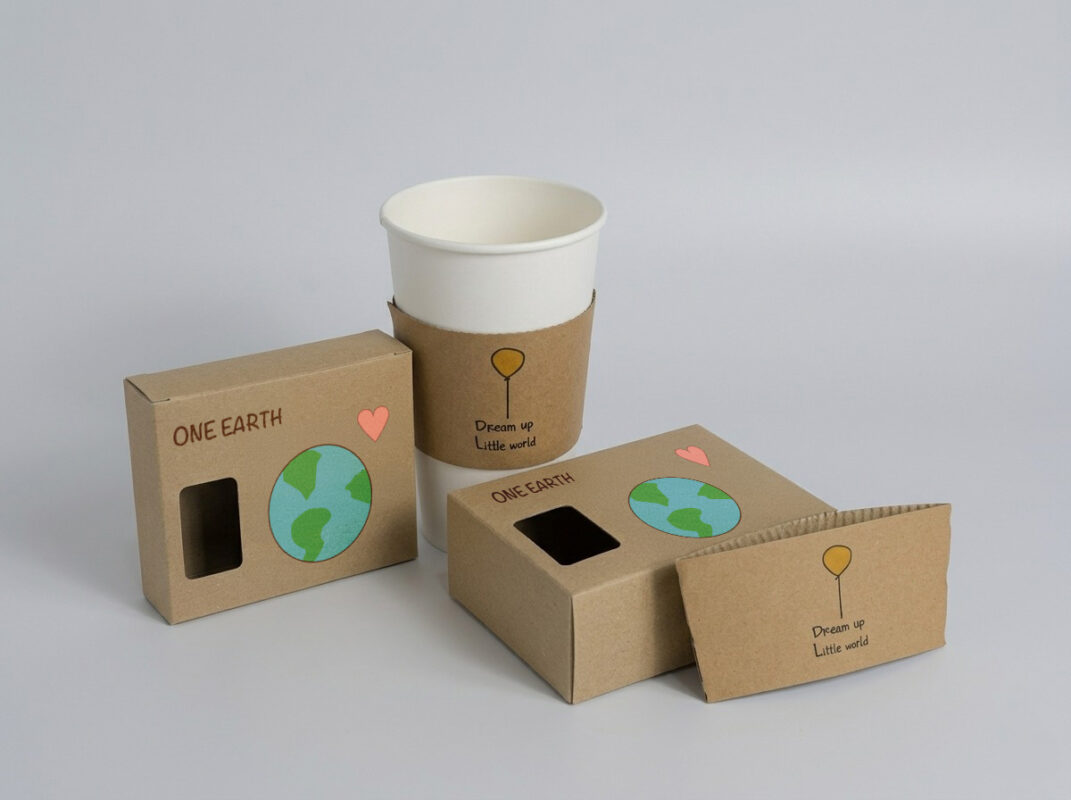
At DY Printing Box, we offer custom packaging for your products and brand. We have a section of boxes that are eco-friendly kraft boxes that uses 100% recycled paper and soy-based ink.
Our recycled paper alternatives include FSC-certified paper (Forest
Stewardship Council), which are available for various types of packaging like paper boxes, postcards, tags, sleeves, and custom non-woven and canvas bags. Our soy-based ink is more environmentally friendly than petroleum-based ink, and also creates more accurate colours and makes paper recycling easier.
We are based in Markham, Ontario, and we are passionate about providing sustainable packaging that prioritizes sustainability without compromising quality, and we aim to reduce our carbon footprint. By choosing DY Printing, you are not only choosing a reliable packaging provider and printer, but a company that values the environment and sustainability just as much as you. Visit our showroom in person to check out our eco-friendly packaging samples!
Data Source: RPRA, Government of Canada, LUSH, Woola, Sufio, Vincent Design Inc.